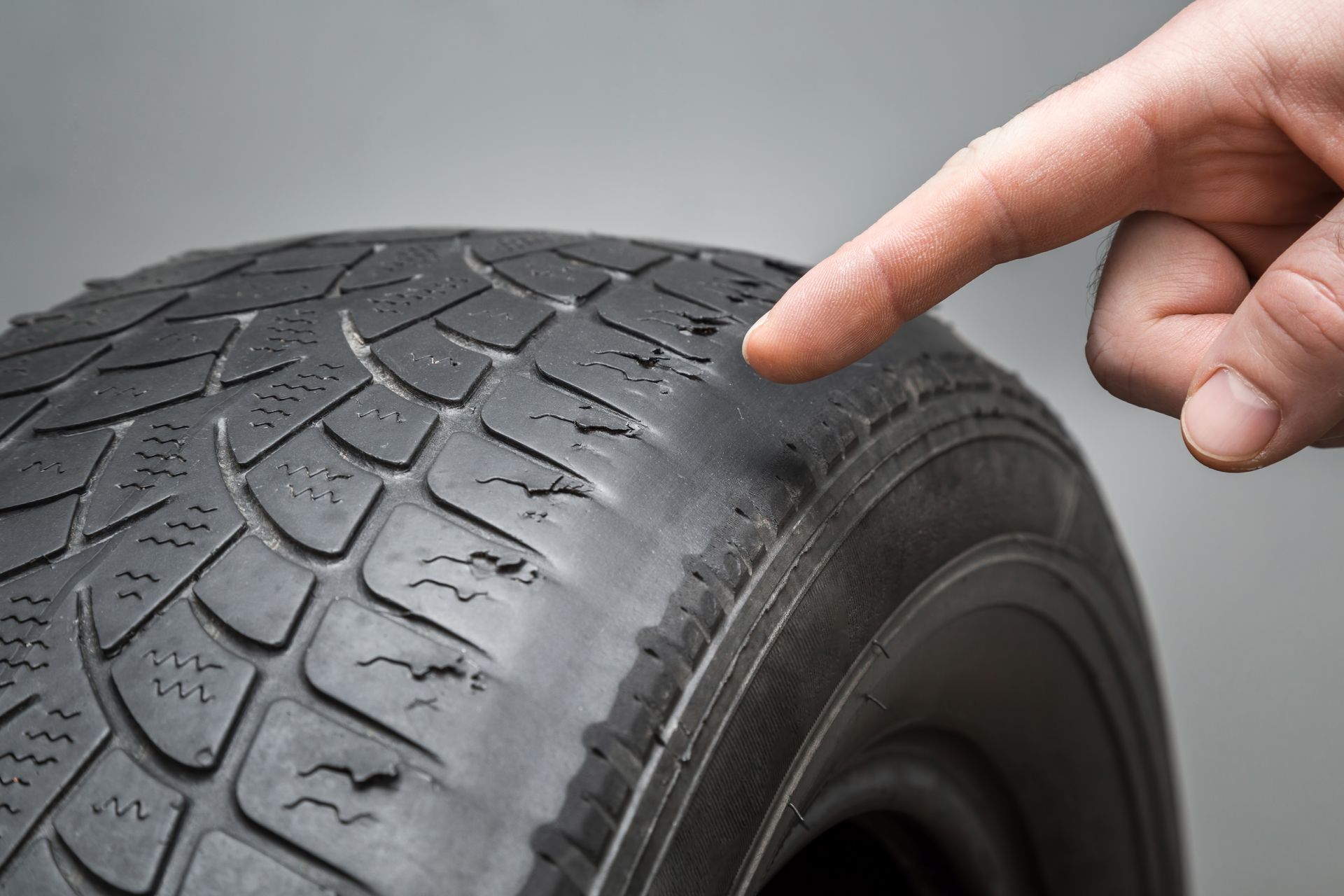
Tire cupping creates a series of uneven high and low spots around the tread. Instead of wearing evenly across the tire, small sections become scalloped or scooped out. As the tire rolls, those uneven sections strike the road repeatedly and can produce a humming, roaring, or rhythmic thumping sound.
The noise often becomes more noticeable as speed increases and may change depending on the pavement. Cupping is usually a sign that the tire has been bouncing, shifting, or carrying uneven forces as it rotates. Replacing the tire may stop the noise, but the wear can return unless the cause is identified.
Worn Shocks And Struts Allow The Tire To Bounce
Shocks and struts control how quickly the suspension moves after the vehicle hits a bump. When they weaken, the wheel can continue bouncing instead of remaining firmly against the road. Each time the tire lands, one part of the tread may receive more force than the surrounding area.
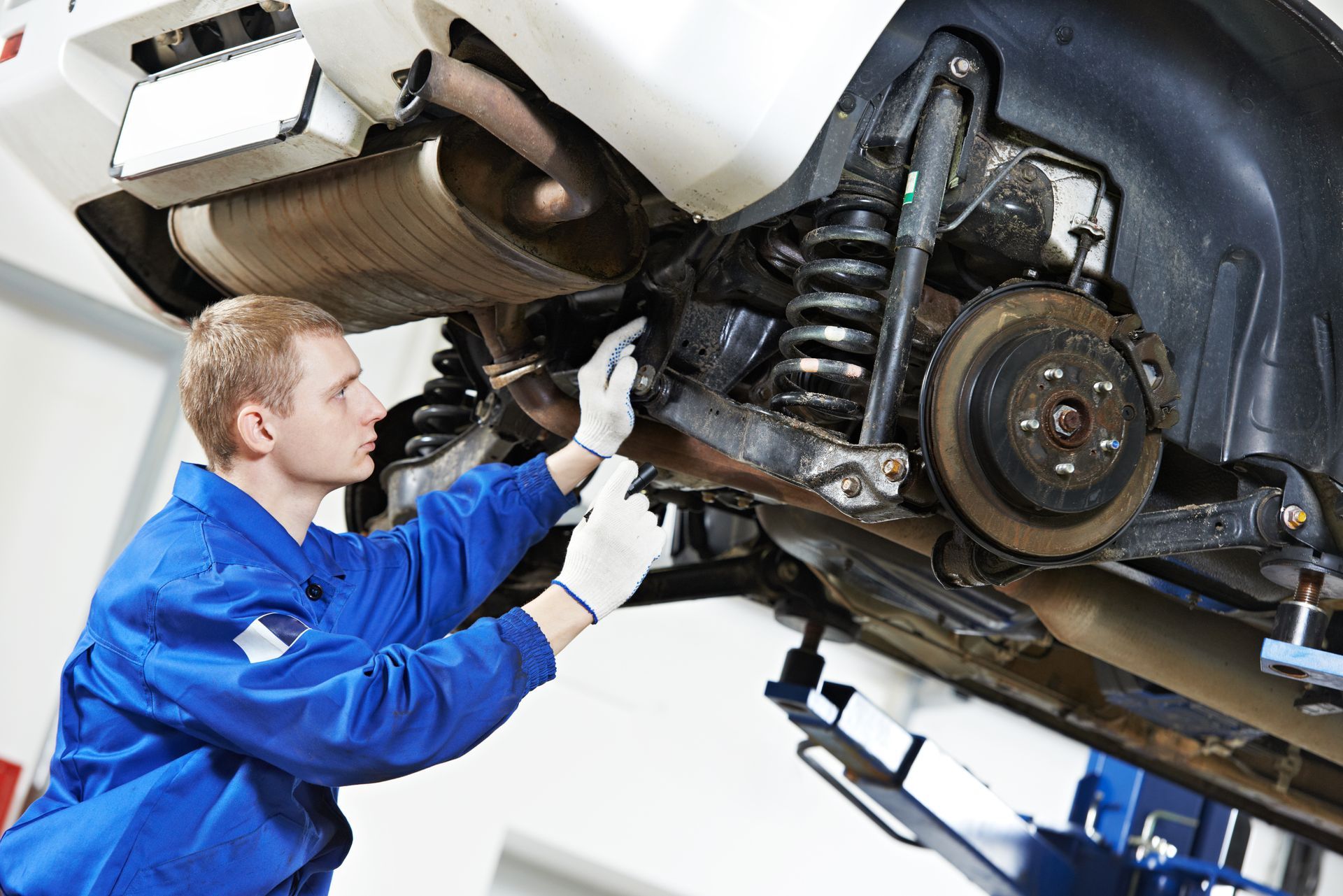
Over thousands of rotations, that repeated impact can create cupped sections around the tire. Other clues may include extra body movement, nose-diving during braking, poor control over dips, or a tire that hops after striking rough pavement. A bounce test alone may not reveal early shock or strut wear, so a complete suspension inspection is more useful.
Wheel Balance Problems Create Repeated Tire Movement
A tire and wheel assembly must be balanced so its weight is distributed evenly. If a wheel weight falls off or the tire develops an internal imbalance, the assembly can move up and down as speed increases. The driver may feel vibration through the steering wheel, seat, or floor.
That repeated movement can contribute to cupping, especially when combined with worn suspension parts. Balancing can correct uneven weight, but it cannot repair tread that has already worn into deep scallops. A technician may also check whether the tire and wheel are round and whether the wheel has been bent by a pothole or curb impact.
Alignment And Loose Suspension Parts Affect Tread Contact
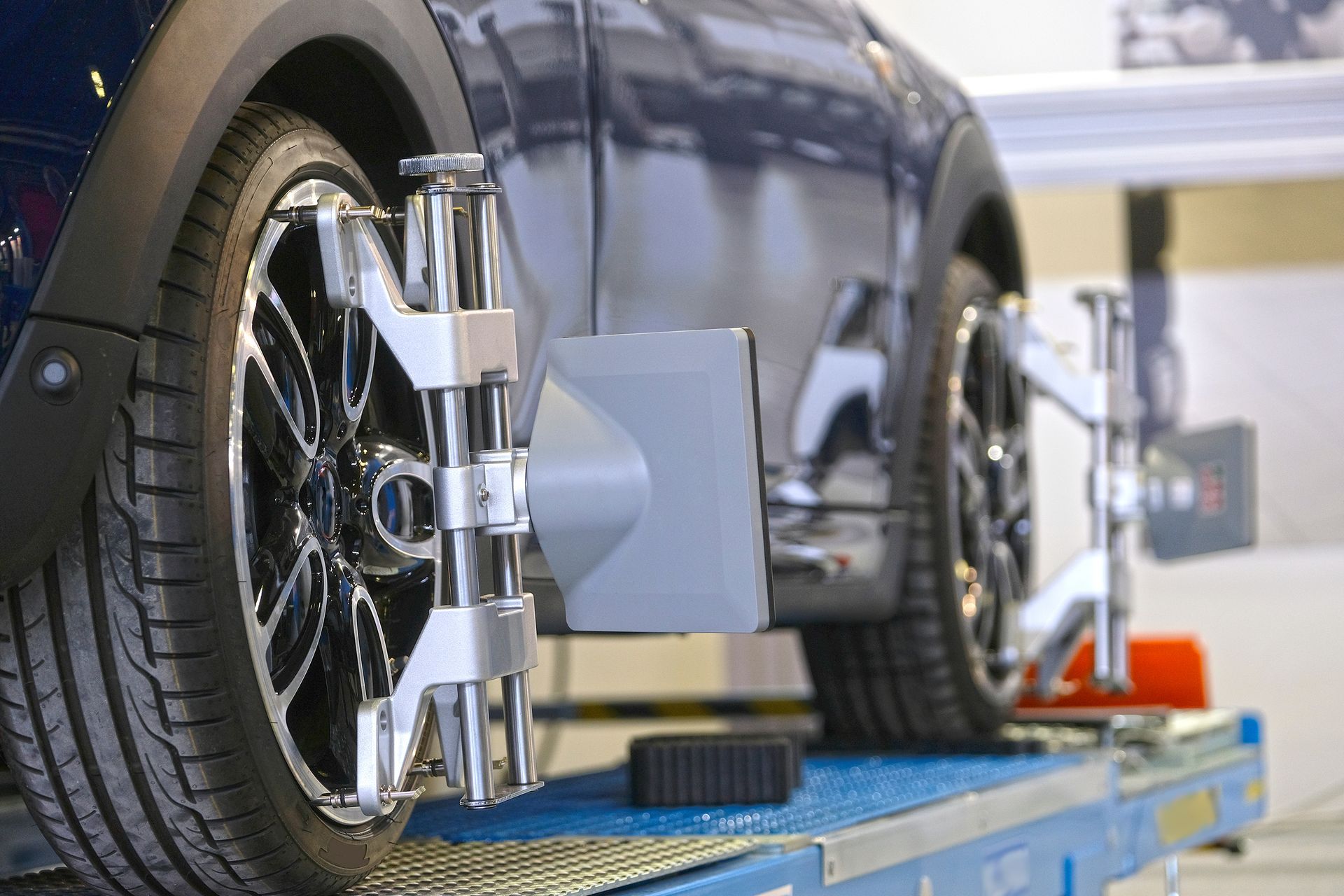
Incorrect alignment changes the angle at which the tire meets the road. Excessive toe can scrub the tread sideways, while incorrect camber places more weight on one edge. Alignment problems more often create feathering or one-sided wear, but they can contribute to cupping when the wheel is also moving because of worn parts.
Loose ball joints, control arm bushings, wheel bearings, tie rods, or steering components can allow the tire angle to change while driving. An alignment should not be performed until those parts are checked. Adjusting the measurements cannot keep a wheel in position if a worn joint allows it to shift under braking, cornering, or road impact.
Incorrect Tire Pressure And Rotation Habits
Underinflation allows the tire to flex more and can place added load on the outer shoulders. Overinflation concentrates more force near the center of the tread and makes the tire less able to absorb road impacts. Either condition can worsen an existing suspension or balance problem.
Tire rotation also affects how wear develops. Front and rear tires handle different steering, braking, and power-delivery forces, so leaving them in one position for too long can allow an uneven pattern to become established. Regular maintenance should include pressure checks and rotation based on the vehicle and tire manufacturer’s recommendations.
How Cupped Tires Create Road Noise
A tire with even tread produces a fairly consistent sound as it rolls. A cupped tire alternates between higher and lower tread sections, changing the amount of rubber contacting the road. That creates a repeated air and impact pattern that can sound like a wheel bearing, aggressive off-road tire, or distant aircraft.
Common signs of tire cupping include:
- A humming sound that rises with vehicle speed
- Rhythmic vibration through the steering wheel or seat
- Scalloped sections around the tread
- Noise that changes after tire rotation
- One tire that sounds much louder than the others
The sound may remain even after the mechanical cause is repaired because the worn tread cannot grow back. Mild wear sometimes becomes less noticeable after rotation, but deep cupping usually requires tire replacement.
How Tire Manufacturers Work To Reduce Noise And Uneven Wear
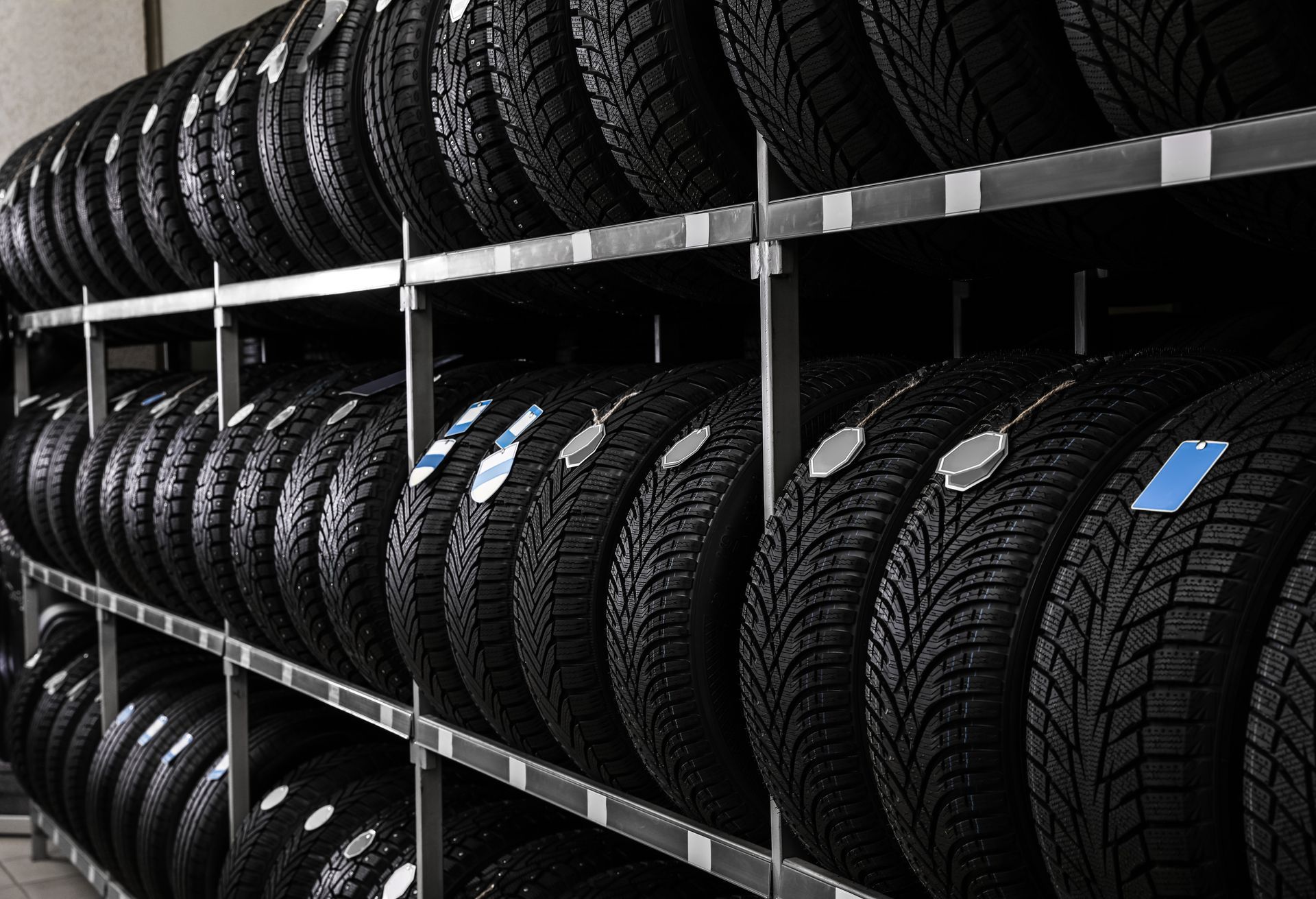
Tire manufacturers use computer-designed tread patterns to reduce repeated sound frequencies. Tread blocks may be arranged in different sizes and spacing so they do not all strike the pavement at the same interval. This spreads the sound across several frequencies instead of producing one strong hum.
Manufacturers also design internal belts, sidewalls, rubber compounds, and tread shapes to control movement and maintain consistent road contact. Some tires use reinforced shoulder areas or variable tread designs for stability. These features can reduce noise and help resist irregular wear, but no tire can fully compensate for worn suspension parts, poor balance, or incorrect pressure.
Can A Cupped Tire Be Repaired?
Cupping cannot be filled, shaved away safely in most passenger-car applications, or corrected through alignment alone. If the tread remains deep enough and the wear is mild, correcting the cause and rotating the tires may allow continued use. The noise may remain until the tire wears more evenly or is replaced.
Severe cupping can reduce traction, create vibration, and place extra stress on steering and suspension parts. The tire should be replaced if the tread is damaged, the vehicle handles unpredictably, or the vibration is strong. The new tire should be installed only after the underlying cause has been addressed.
Finding The Cause Before Installing New Tires
A proper evaluation includes tire pressure, tread depth, wheel balance, alignment angles, wheel condition, and suspension movement. The technician may also check bearings, bushings, shocks, struts, and steering joints for looseness. Comparing the wear patterns across all four tires can reveal whether the problem is isolated or vehicle-wide.
Road conditions around Surprise can be hard on tires and suspension components, especially when heat, rough pavement, and sudden impacts are involved. Correcting the cause before installing new tires helps protect the replacement set from developing the same pattern.
Get Tire Cupping And Road Noise Diagnostics In Surprise, AZ, With Surprise Goodyear Car Care
If your tires are humming, vibrating, or developing scalloped tread, Surprise Goodyear Car Care in Surprise, AZ, can check the tire condition, wheel balance, alignment, shocks, struts, bearings, and suspension components.