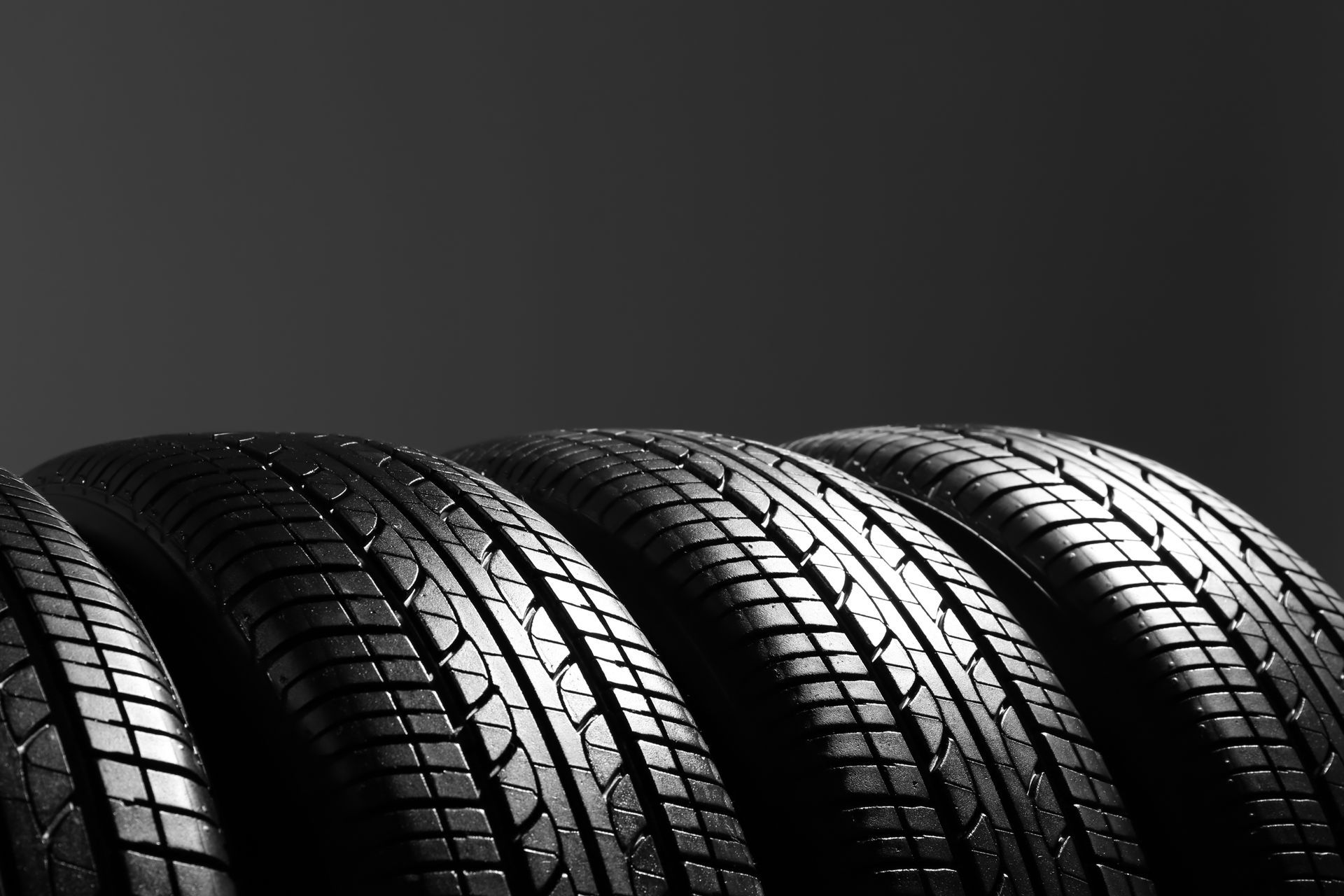
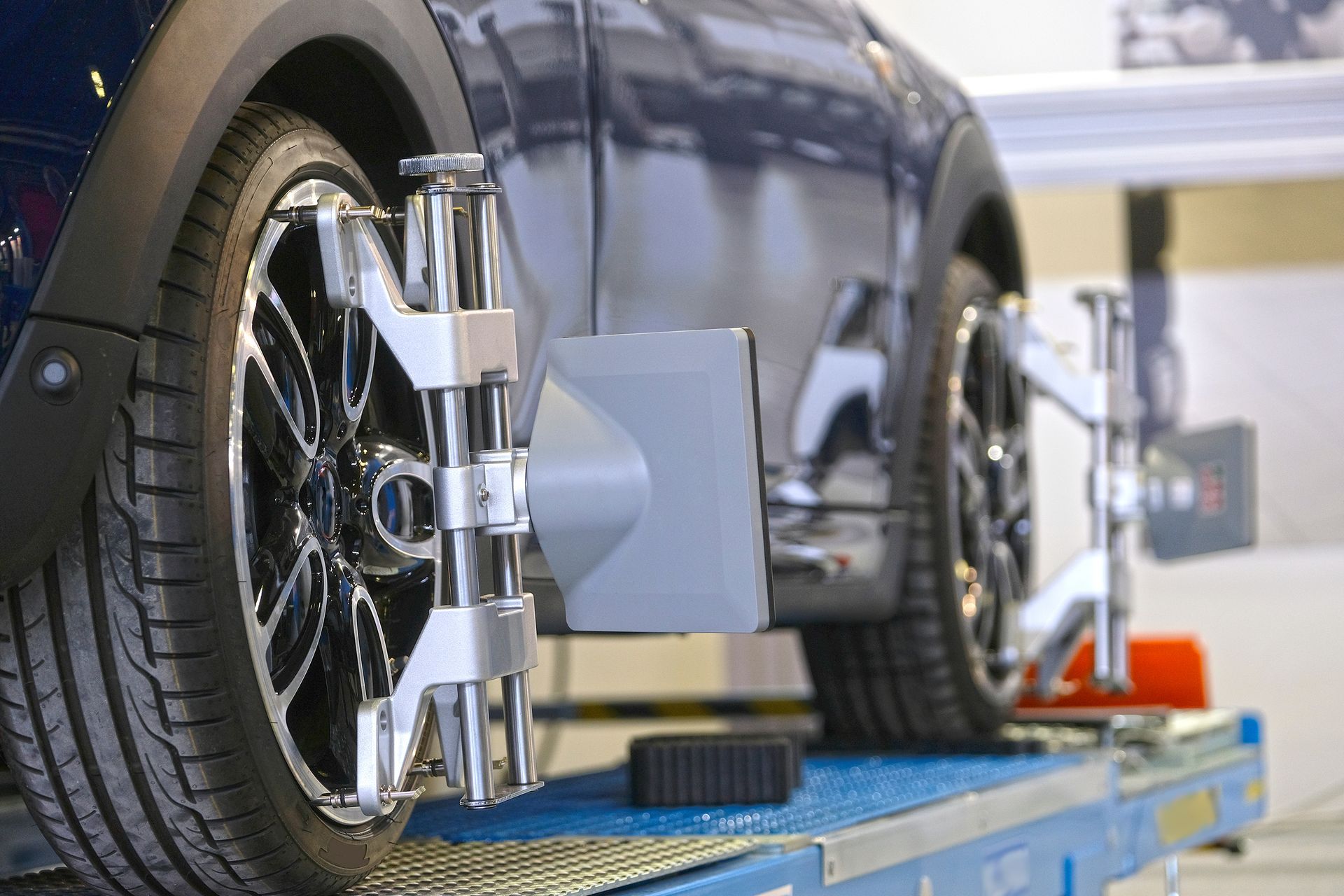
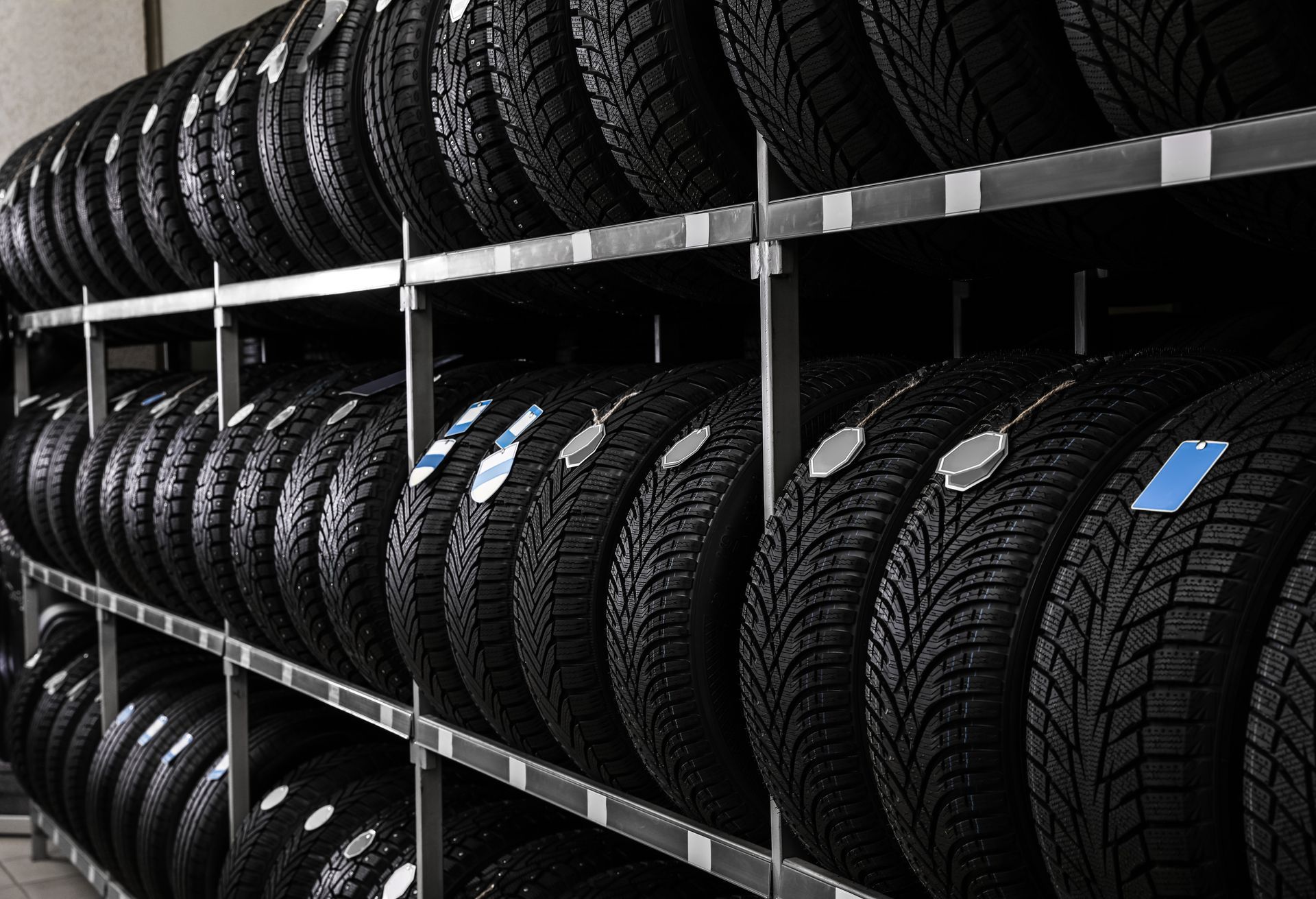
When you look at your car, you probably notice the paint, the design, or maybe how clean the wheels are. But when we look at a car rolling into our service bay, our eyes go straight to the rubber meeting the road. To a professional mechanic, your tires are not just chunks of black rubber. They are a detailed diagnostic report written in tread.
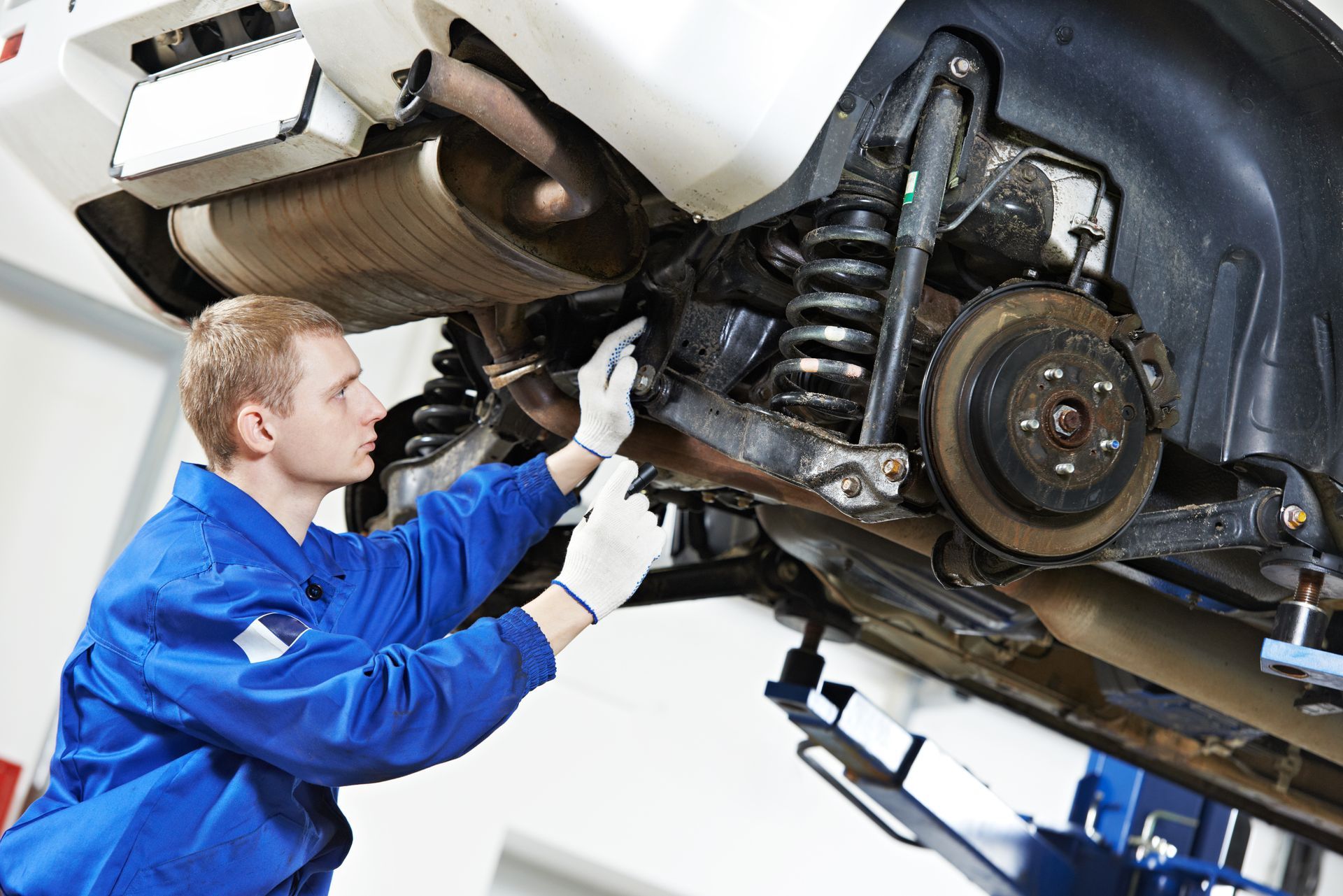
Tires are incredibly sensitive to everything happening with your vehicle's steering, suspension, and air pressure. When something is wrong beneath the chassis, the tires will absorb that stress and leave behind highly specific wear patterns. Learning how to read these patterns can save you thousands of dollars in premature tire replacements and give you an early warning before a minor issue turns into a major mechanical failure. Let us look at how you can inspect your tread right at home just like a seasoned pro.
The Most Common Patterns and What They Mean
Grab a flashlight, head out to your driveway, and turn your steering wheel all the way to one side so you can see the full face of your front tires. Run your hand across the tread blocks and look closely for these classic signatures.
Wear Only on the Inside or Outside Edge: If the tread is worn smooth on one specific edge while the rest of the tire looks brand new, you are dealing with a camber issue. Camber is the angle at which your tire sits vertically relative to the road. If the tire leans too far inward or outward, it places all the vehicle weight on that single edge. This is a definitive sign that your vehicle needs a professional wheel alignment.
Smooth Wear Right Down the Center: When the middle of the tread is completely bald but the outer edges still have plenty of life, the tire is over-inflated. Too much air causes the center of the tire to balloon outward, making it the only part contacting the asphalt. This reduces your traction and subjects the tire to excessive center heat.
Wear on Both Outer Edges But Not the Center: This is the exact opposite problem. If both the inside and outside edges are worn down while the center is untouched, your tires are chronically under-inflated. The tire is essentially sagging in the middle, forcing the outer shoulders to shoulder the entire burden of the vehicle weight.
The Sneaky Signs of Suspension Trouble
The patterns we mentioned above are usually related to air pressure or standard alignment angles. However, there are two specific types of wear that tell us a component in your suspension system is actively failing.
The first is called cupping or scalloping. If you run your hand along the tread and it feels like a series of hills and valleys, or if it looks like someone took an ice cream scoop to random sections of the rubber, your tires are literally bouncing down the highway. This happens when your shocks or struts are completely worn out. They can no longer keep the tire firmly planted against the pavement, causing the wheel to minutely dribble like a basketball while you drive.
The second pattern is known as feathering. This is harder to see with your eyes, but you can feel it instantly. Smoothly slide your hand sideways across the tread blocks from the inside to the outside. If the rubber feels smooth in one direction but catches your skin like the teeth of a saw blade in the other direction, your toe alignment is off. This means your front tires are pointing slightly toward each other or away from each other, dragging the rubber sideways across the asphalt as you drive forward.
How to Stop the Damage in Its Tracks
The moment you spot any of these uneven patterns, the clock is ticking. Tires do not heal themselves, and once an uneven wear pattern is established, it will continue to worsen rapidly until the tire is completely ruined.
The best way to prevent this waste of money is to commit to a strict rotation schedule every six thousand miles. Rotating your tires moves them to different positions on the vehicle, balancing out the unique forces each wheel encounters. Pair this with a routine alignment check once a year, and you can easily double the lifespan of your rubber.
Let Surprise Goodyear Car Care Square Away Your Ride
If your tire tread is looking a little mysterious or uneven, do not wait for a complete blowout or a failed inspection to take action. Your safety on the road depends entirely on those four patches of rubber keeping you connected to the ground. Give Surprise Goodyear Car Care in Surprise, AZ, a visit or a call soon.
We look forward to helping you maximize your tire life and stay safe on every journey.