Picking new tires should feel straightforward, yet the options can overwhelm anyone. Sizes, speed ratings, tread designs, UTQG numbers, and a wide price spread make it hard to know what really matters. The right choice comes from how and where you drive. In Surprise, that means hot pavement for much of the year, sudden monsoon storms, and lots of highway miles between errands.
Here is a clear way to choose tires that fit your vehicle and your life without second-guessing the decision a week later.
Start With How You Drive, Not Just What You Drive
Two identical vehicles can need very different tires. Daily commute across Bell Road with weekend soccer runs calls for all season comfort and a quiet ride. Long highway trips to Flagstaff or San Diego favor a stable touring tire that resists heat and tracks straight.
If you tow a small trailer or haul gear, load rating and sidewall strength move up the list. Write down your top three needs such as wet grip, mileage, or quiet. That list guides every decision that follows.
Understand Tire Categories in Plain Terms
All-season touring tires deliver a smooth ride, long tread life, and balanced grip for most drivers. Grand touring tires lean toward better high speed stability and a quieter cabin. Performance in all seasons sharpens steering response and braking, which helps heavier crossovers feel more confident.
All-terrain tires trade some noise and mileage for off-pavement traction. In the Valley, true winter tires are rarely needed, but if you head north frequently in colder months, a set of dedicated winters can be worth it for mountain trips.
Size, Load, and Speed Ratings Explained
The size on your sidewall, for example 225/60R17, tells width, aspect ratio, and wheel diameter. That part is simple. The next pieces are just as important. The load index is a number that corresponds to how much weight each tire can carry. Stay at or above the factory load index to keep handling, braking, and tire life where they should be. The speed rating, shown as a letter like H or V, reflects the tire’s tested stability and heat resistance.
Higher ratings often bring better construction and steering feel, even if you never approach those speeds. Do not drop below the rating your vehicle calls for.
Heat, Pavement, and the Surprise Climate
Desert heat hardens rubber and can cook weaker compounds. Choose a tire with a temperature rating of A on the UTQG label for better heat resistance. Underinflation raises heat even more, so set pressures to the door placard and check monthly. Sun exposure also accelerates sidewall cracking. If your vehicle parks outside, prioritize a tire known for UV resistance.
For summer storms, deeper tread and open channels give you confidence when Bell Road turns into a river for twenty minutes.
Mileage Warranties and What They Really Mean
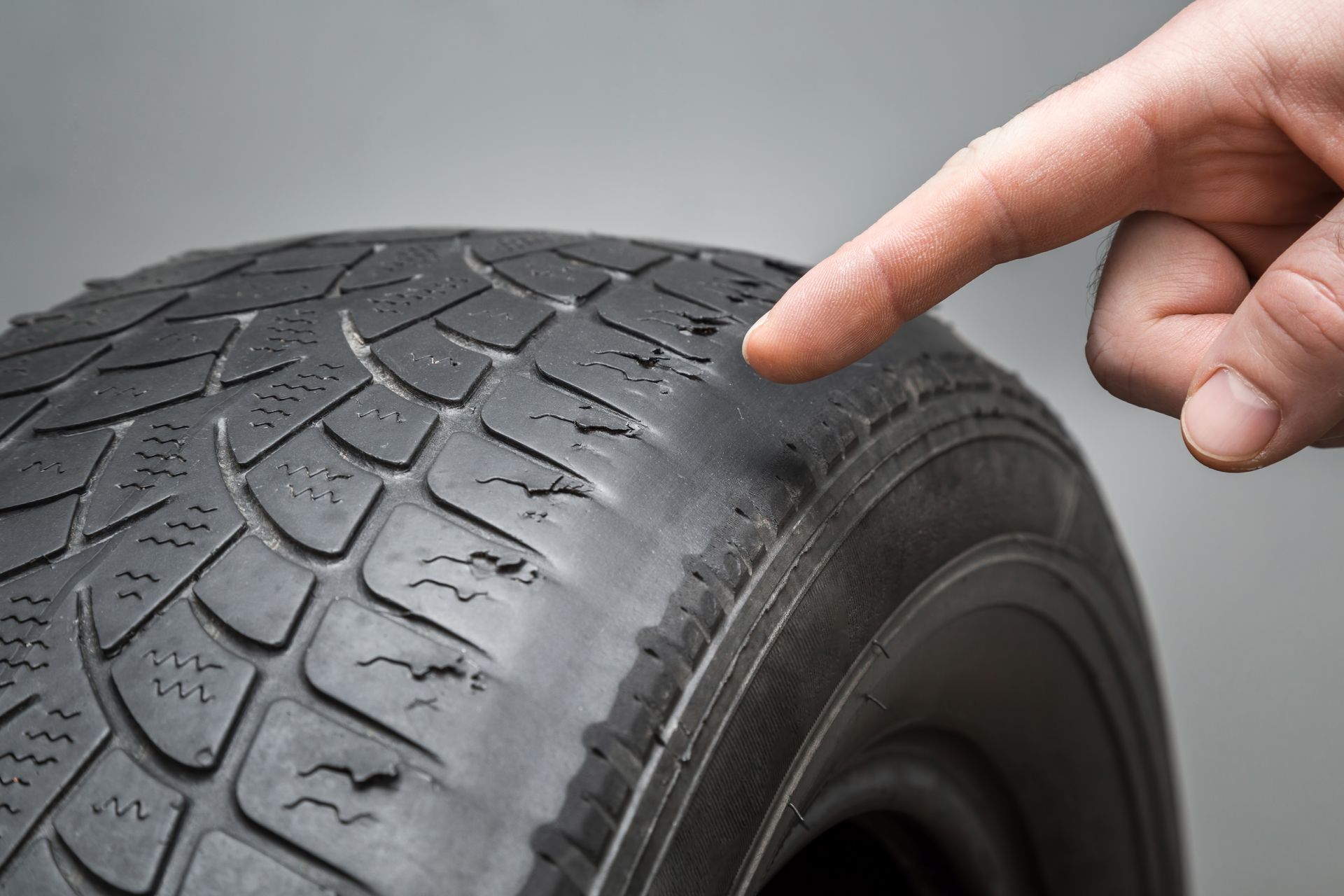
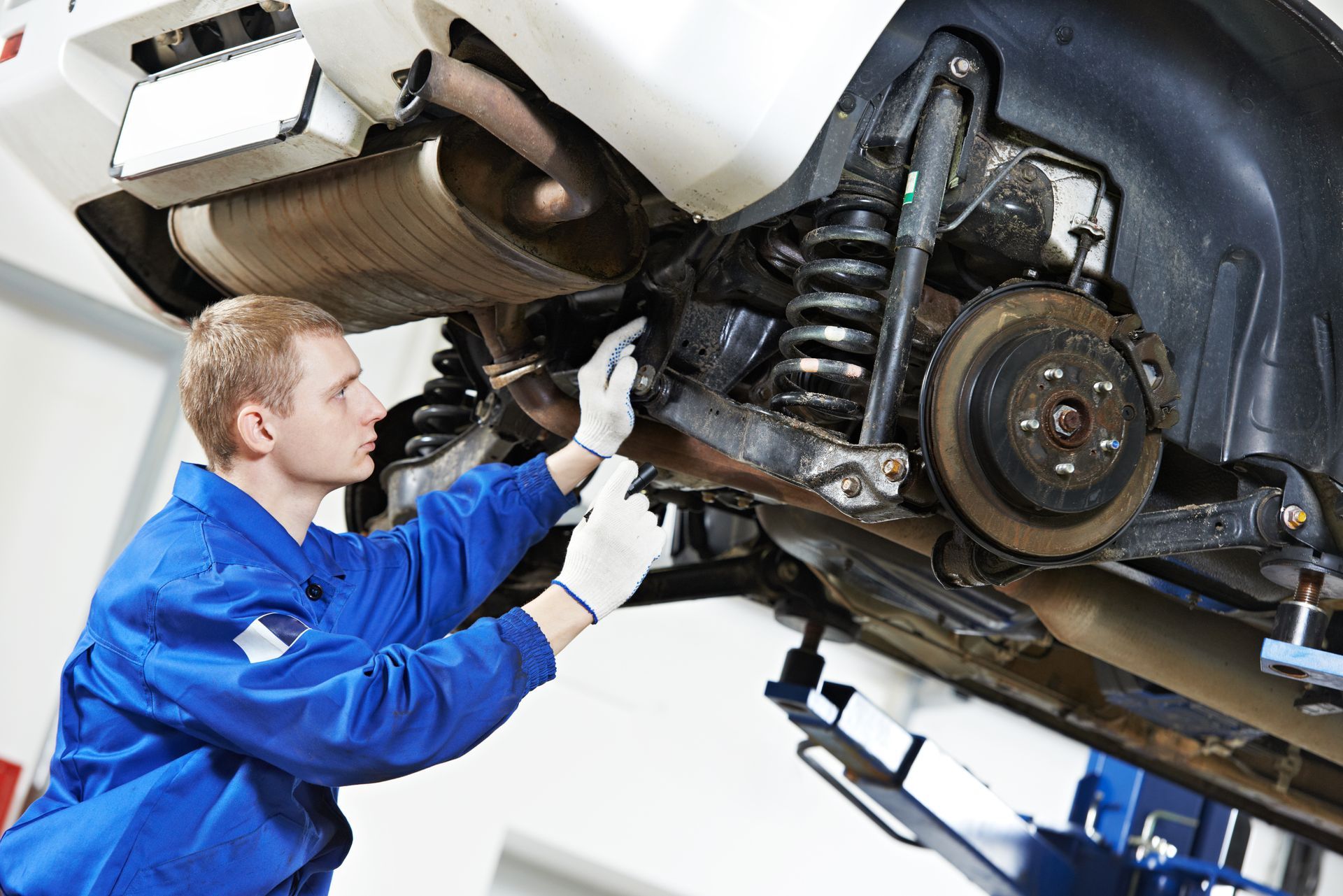
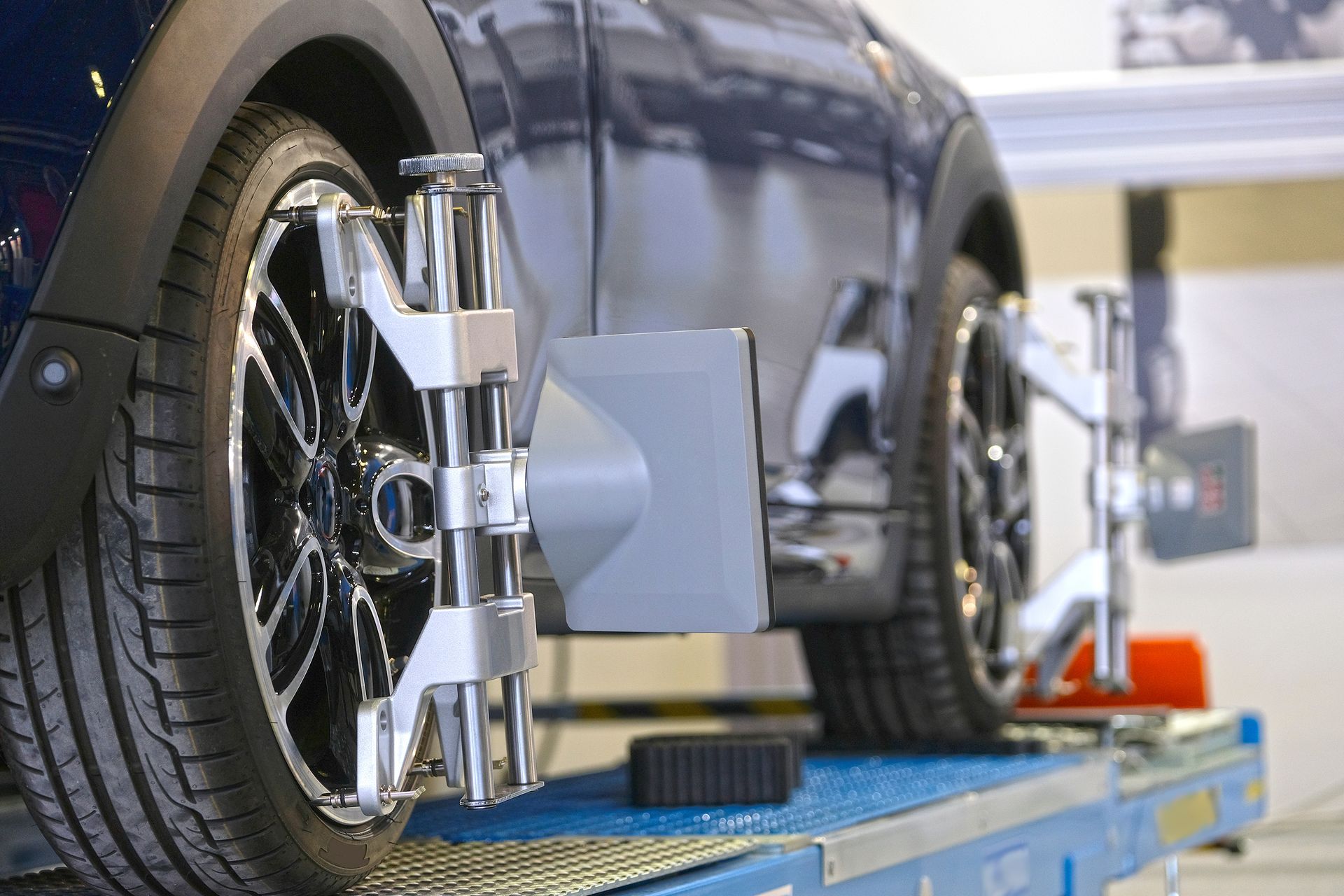
A big mileage number is attractive, but it is not a guarantee. Those figures assume proper inflation, regular rotation, and a healthy alignment. Front wheel drive and powerful crossovers can eat front tires if the toe is slightly out. Plan a rotation every five to seven thousand miles and check alignment yearly or after any curb strike.
If your wear pattern is already uneven, fix the cause before mounting a fresh set, or the new tires will follow the same path.
Quick Picks Based on Driver Types
- Commuter who values comfort and quiet: choose a touring or grand touring all season with an A temperature rating and a solid wet braking score.
- Family SUV that sees highway trips and summer storms: performance leaning all season with strong hydroplaning resistance and a firm sidewall for stability.
- Light off-road or job site visits: mild all-terrain marked for highway use, with a focus on wet braking and road noise ratings.
These suggestions keep choices targeted without forcing you into extremes.
How to Read the Date Code and Know When to Replace
Even if the tread looks decent, age is important. Every tire has a DOT date code. The last four digits indicate the week and year the tire was made. For example, 1823 means week 18 of 2023. In our climate, consider replacement around six years from that date, sooner if you see sidewall cracking or vibration that a balance cannot correct.
If a repair is needed, avoid patches near the shoulder and skip any plug fixes. A proper internal patch plug is the safe standard.
Why Professional Mounting and a Good Balance Matter
New tires deserve a road force balance and a clean wheel bead. That combination prevents small vibrations that show up between 60 and 75 miles per hour. Valve stems should be replaced, and tire pressure monitoring sensors inspected or serviced to avoid slow leaks. After installation, recheck torque on lug nuts after the first hundred miles and verify pressures again once the tires cool overnight.
These small steps protect your investment and keep the ride as smooth as day one.
Get the Right Tires with Surprise Goodyear Car Care in Surprise, AZ
Tell us how you drive, and we will match a tire to your needs, not a guess. We confirm size, load, and speed ratings, explain tread designs in plain language, and set pressures and alignment so the new set wears evenly. If rain is forecast, we can prioritize wet grip. If highway quiet matters most, we will pick a tread pattern that keeps the cabin calm.
Call or visit us in Surprise, AZ and leave with tires that feel right on the very first mile.