ADAS features like lane keeping, automatic emergency braking, and adaptive cruise control are helpful, but they are picky about sensor position. Even a small change in camera angle or radar alignment can affect how the system sees the road. That is why some repairs require calibration afterward, even if the car seems to drive normally.
The confusing part is that the repair itself might be perfect, but the safety systems still need to be re-centered to the vehicle. If you skip that step, you can end up with warning lights, disabled features, or a system that reacts late.
Why ADAS Calibration Is Needed After Repairs
ADAS sensors do not just turn on and work automatically forever. The camera and radar need to know what straight ahead looks like, where the lanes sit, and how far objects are. When parts are removed, replaced, or shifted, the sensor may end up aiming slightly differently than before.
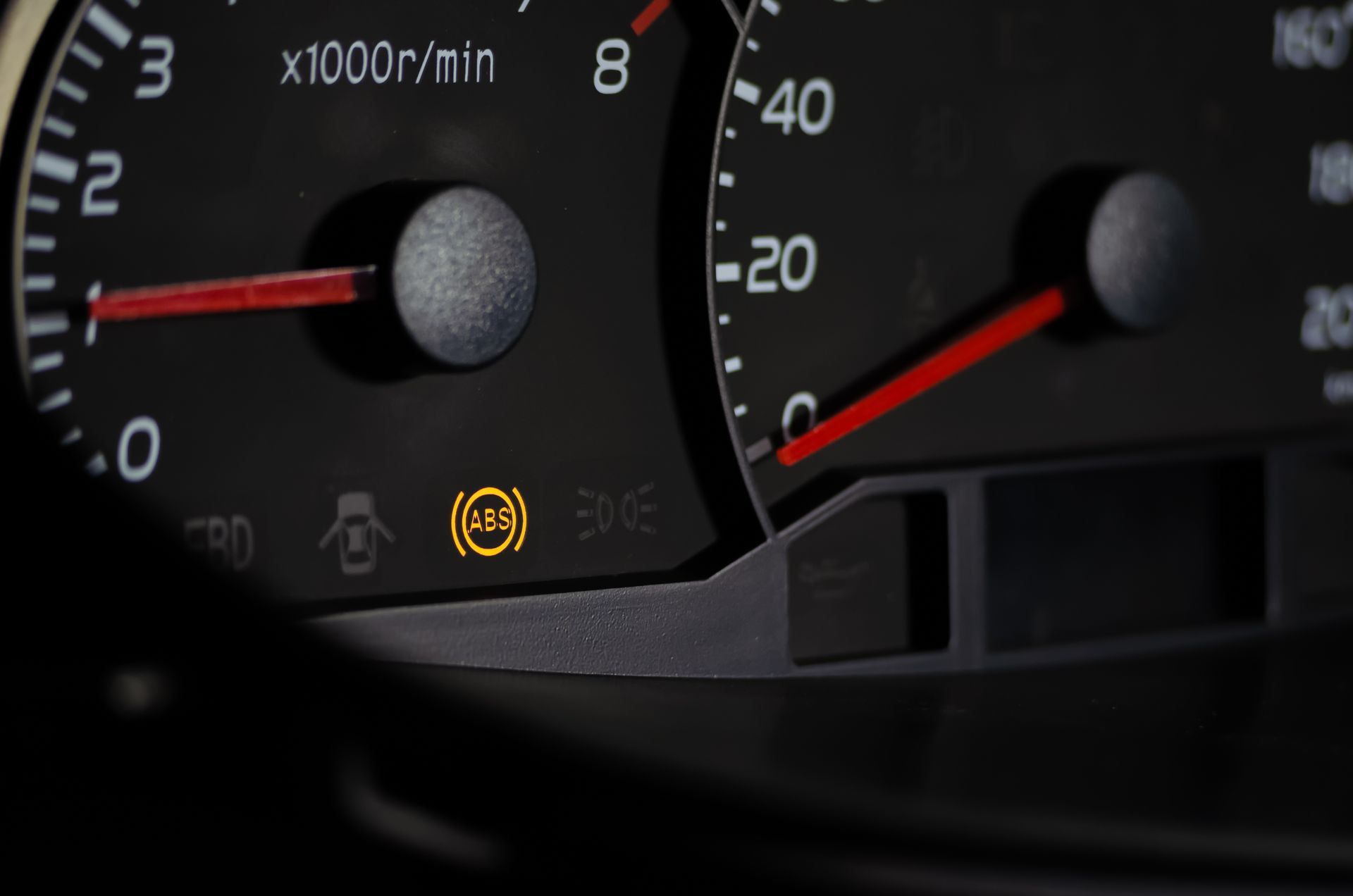
We see the biggest issues when a repair changes mounting points or ride height. The vehicle might feel fine to you, but the sensor is now looking slightly too high, too low, or a few degrees off to one side. That can be enough to trigger a dashboard warning or cause features to shut off until calibration is completed.
Repairs That Often Require Calibration
If you are trying to remember which repairs typically trigger calibration, consider anything that touches cameras, radar, or the front-end geometry. Here are common examples:
- Windshield replacement on vehicles with a forward-facing camera
- Front bumper, grille, or bracket repairs near a radar sensor
- Collision repairs that involve sensor mounts, supports, or body panels
- Wheel alignment or suspension work that changes the steering angle and tracking
- Tire size changes, lifts, leveling kits, or ride height adjustments
- Replacement of a camera, radar unit, or related wiring and modules
If any of these happened recently and a driver-assist feature started acting differently, calibration should be on the checklist.
Windshield And Front Camera Work
Many vehicles place the forward-facing camera high on the windshield. When the windshield is replaced, the camera bracket and the mounting surface have to be positioned precisely. Even small differences in glass thickness or bracket placement can change the camera’s view.
A camera that is slightly off can cause lane keeping to drift, lane departure warnings to feel overly sensitive, or traffic sign recognition to miss things. Some cars will immediately show a warning and disable the feature. Others will keep operating but feel less consistent, which is why calibration after windshield work matters.
Bumper, Grille, And Radar Sensor Changes
Radar sensors are often mounted behind the grille emblem or in the lower bumper area. That area takes hits from minor parking bumps, road debris, and collision repairs. If the bumper cover is replaced, the grille is swapped, or a mounting bracket is bent and straightened, radar aim can change.
Even paint thickness and aftermarket grille designs can affect radar performance on some vehicles. Our technicians also watch for bracket flex, because a radar that moves slightly over bumps can create intermittent warnings that are hard to track down. Calibrating after front-end work helps confirm the radar is reading distance and position correctly.
Alignment, Suspension, And Ride Height Changes
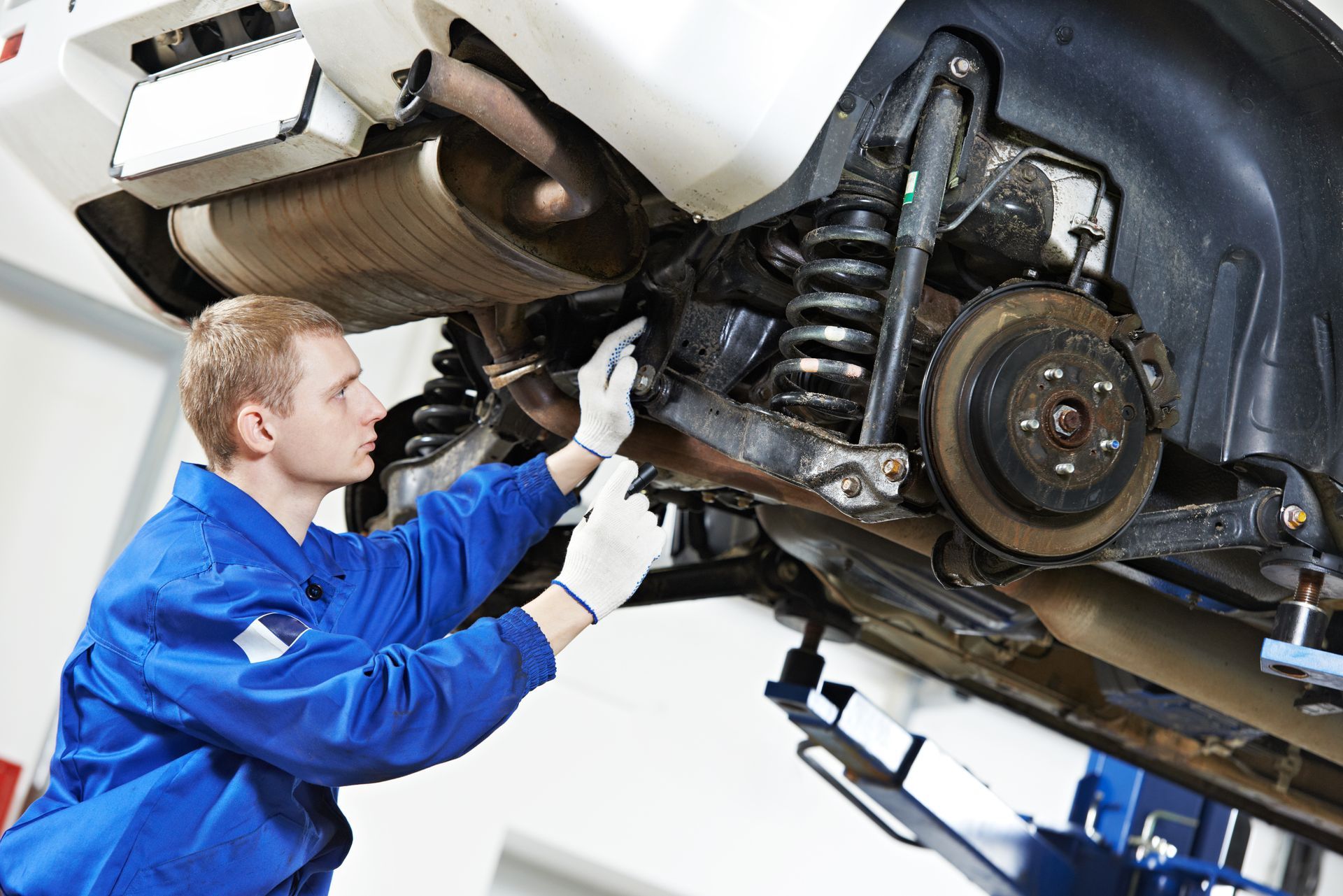
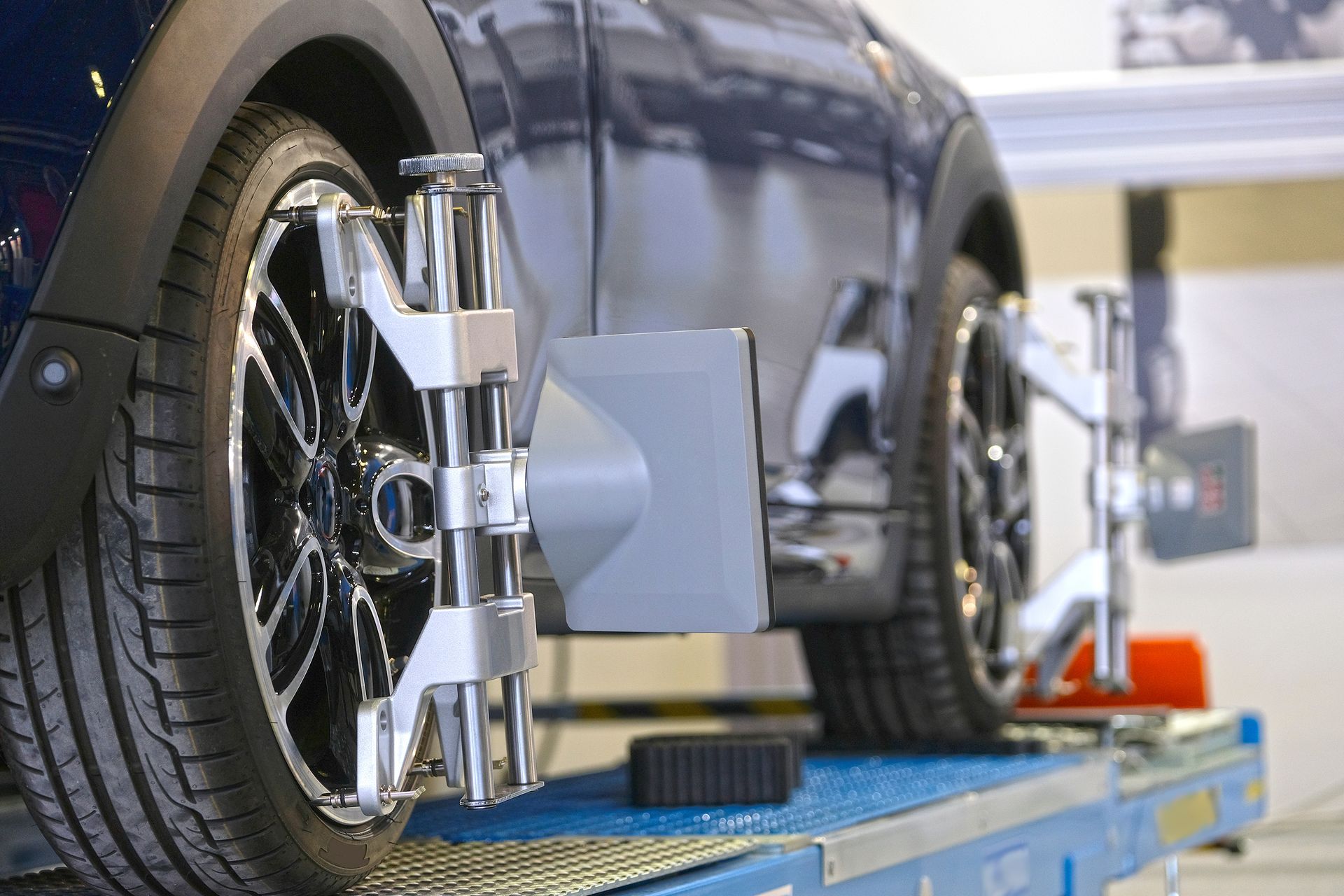
Wheel alignment and suspension repairs might not sound like ADAS work, but they often are. Many systems rely on steering angle information and the vehicle’s tracking to interpret lane position. If the alignment is adjusted or the steering wheel is off-center, some features can behave strangely.
Ride height changes matter too. A lift kit, leveling kit, worn springs, or even significant tire size changes can alter the sensor’s angle relative to the road. If the vehicle sits higher or lower than before, the sensor may need recalibration so it stops interpreting the world from the wrong viewpoint.
How Calibration Is Performed
Calibration usually falls into two categories: static and dynamic. Static calibration is done in the shop with targets placed at specific distances and angles, while the vehicle sits on a level surface. Dynamic calibration is performed by driving under certain conditions so the system can relearn its reference points.
The correct process depends on the vehicle and the sensor type, and skipping steps can result in repeated warnings. A post-repair inspection should also confirm the sensors are mounted securely and that there is no physical obstruction that could interfere with readings. This is not the same as regular maintenance, but it is a smart step whenever a repair affects the systems that automatically guide or brake the vehicle.
Get ADAS Calibration In Surprise, AZ With Surprise Goodyear Car Care
If you just had windshield, bumper, alignment, or suspension work and your driver-assist features are acting differently, the next step is to book service so calibration is completed correctly.
Schedule service with
Surprise Goodyear Car Care
in Surprise, AZ, to restore proper sensor aiming and get your safety systems working the way they were designed to after repairs.