Hybrid and electric vehicle batteries create heat while charging and delivering power. The cooling system has to keep that temperature within a controlled range, especially during hot weather, repeated acceleration, long drives, and fast charging where supported.
When battery cooling starts to fall behind, the first symptom isn't always a warning light. You may notice reduced electric power, charging that slows down sooner than expected, or cooling fans that seem to run much more than they used to. Those changes are worth checking because battery temperature directly affects performance and long-term battery health.
Battery Cooling Systems Are Not All Built the Same
Some hybrid batteries use cabin air pulled through vents and ducts. A fan moves that air across the battery pack to carry heat away. Other hybrids and many EVs use liquid cooling, with coolant circulating through passages near the battery cells.
Liquid-cooled systems can include:
- Electric coolant pumps
- Dedicated coolant hoses
- Temperature sensors
- Heat exchangers
- Control valves
- Reservoirs
- Chillers tied into the A/C system
Because the designs vary, service has to match the exact vehicle. A blocked air duct needs a very different repair from a weak electric coolant pump.
The Cooling Fan Runs More Than It Used To
On air-cooled hybrid batteries, a fan may become more noticeable when the battery gets hot. Hearing it occasionally does not mean something is wrong. The concern is when it suddenly runs at high speed much more often under the same driving conditions.
A clogged intake vent is one possible reason. Dust, pet hair, lint, or debris can restrict airflow into the battery compartment. The fan then has to work harder to move enough air across the pack.
At our shop, we check the intake path as well as the fan itself. Cleaning only the visible grille does not help if debris has collected deeper in the duct or around the blower.
Battery Power or Charging Performance Changes
Battery management systems protect the pack when temperature rises too far. Instead of allowing full power, the vehicle may temporarily reduce how much energy the battery can deliver or accept.
You might notice weaker electric acceleration, a hybrid gasoline engine running more frequently, or limited regenerative braking. In an EV, charging speed may decrease as the battery heats up.
Those changes can also happen for normal reasons, especially in extreme heat. What gets our attention is a new pattern under conditions the vehicle previously handled without trouble.
Cooling System Warnings Should Be Taken Seriously
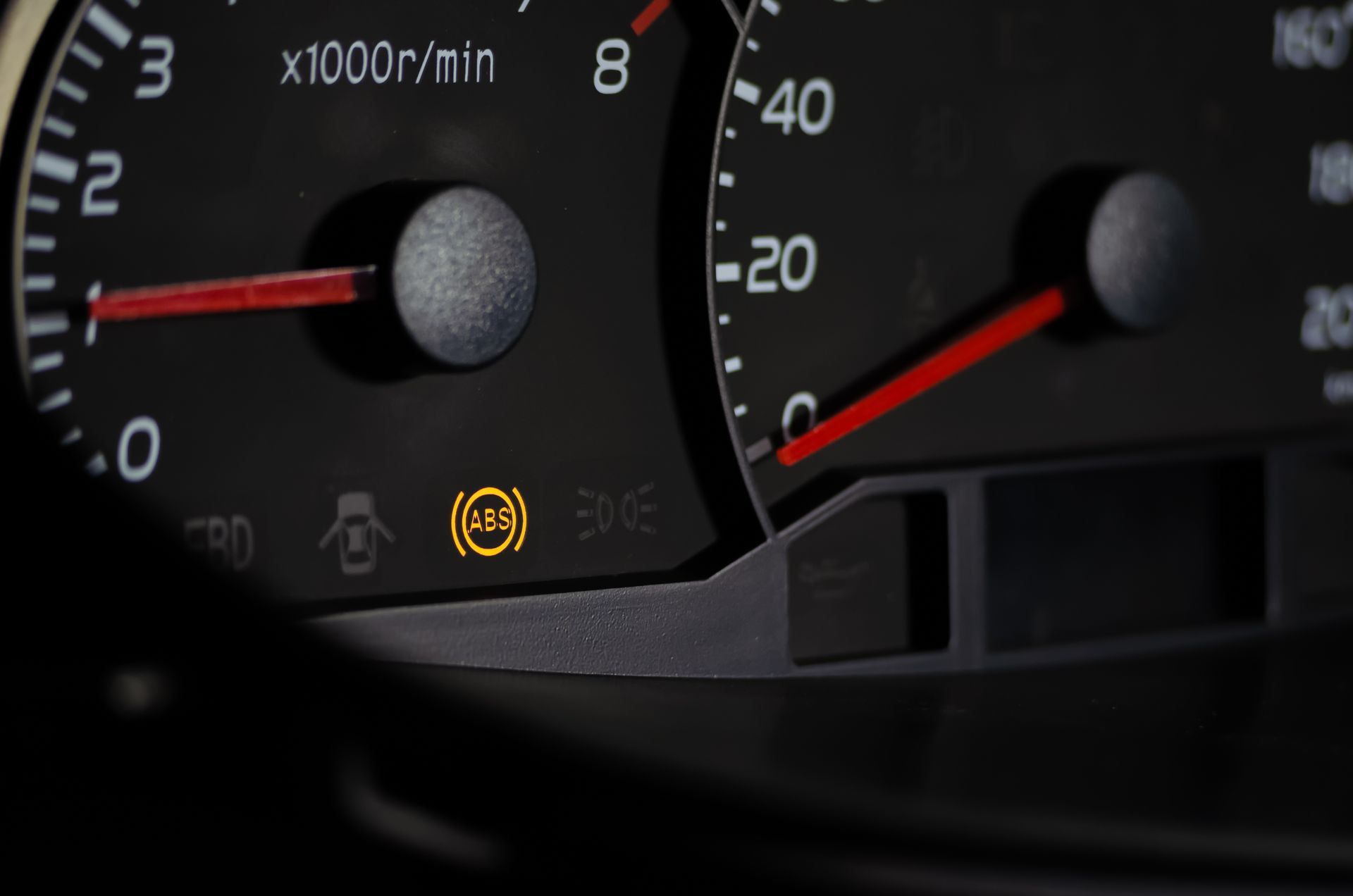
A hybrid or EV may display a battery temperature warning, reduced-power message, charging warning, or general hybrid-system fault when cooling performance falls outside the expected range.
The warning itself does not tell us which part has failed. A temperature sensor, coolant pump, fan, valve, wiring circuit, or low coolant condition can all affect what the battery computer sees.
During an inspection, we scan the battery and thermal-management modules for stored faults and compare temperature readings across the pack. If one sensor reports something very different from the others, we need to determine whether that section of the battery is actually hotter or the sensor reading is inaccurate.
Liquid-Cooled Batteries Need Proper Coolant Circulation
EV and hybrid battery coolant systems can develop many of the same basic problems as other cooling circuits. Pumps can weaken, hoses can leak, air can enter the system, and coolant can become contaminated or fall below the correct level.
The difference is that these systems may require specific coolant and bleeding procedures. Some use electrically controlled pumps and valves that have to be commanded during service to remove trapped air.
We also check for temperature differences before and after the battery heat exchanger. Poor circulation can leave the battery hot even though the reservoir looks full.
Hot Weather Can Expose a Marginal System
Battery cooling problems tend to become more obvious when the vehicle is working harder. A system that seems fine on a mild morning may struggle during an Arizona afternoon, especially after highway driving or repeated charging.
A weak fan, partially blocked duct, slow coolant pump, or dirty heat exchanger may still provide some cooling. Once outside temperature rises, there is less capacity left in reserve.
That is one reason a problem can feel intermittent. The cooling system has not stopped working completely. It just cannot remove heat fast enough under demanding conditions.
Service the Cooling System Before Heat Becomes a Habit
Regular maintenance on a hybrid or EV should include attention to the battery thermal-management system when the manufacturer calls for it. Air inlets need to stay clear, filters should be serviced where equipped, and liquid cooling circuits need the correct coolant level and condition.
If the vehicle suddenly limits power, charges differently, runs its battery fan constantly, or displays a temperature warning, do not assume the battery pack itself is failing. We first check whether the cooling system is allowing the battery to operate at the temperature it was designed for.
Get Hybrid And EV Battery Cooling Service In Surprise, AZ, With Surprise Goodyear Car Care
If your hybrid or EV is showing battery temperature warnings, running its cooling fan constantly, or losing performance in hot weather, Surprise Goodyear Car Care in Surprise, AZ, can check the battery cooling system, airflow, coolant circulation, pumps, sensors, and related controls.